
Körapur® 928 Marine
1 of 62 products in this brandChemical Family: Polyurethanes (PU)
Application Method: Gun
Compatible Substrates & Surfaces: Alloy Steel, Coated Surfaces, Galvanized Steel, Plastics, Wood
Features: Cold Resistance, Excellent Elasticity, Excellent Humidity Resistance, Excellent Moisture Resistance, Excellent Strength, Exceptional UV Resistance, Good Sagging Resistance, Good Weather Stability, Heat Resistance, High Elongation, Paintable, Temperature Resistance, Weather Resistance
-
Type Document Name
-
Technical Data SheetKörapur® 928 Marine Technical Data Sheet
Enhanced TDS
Identification
- Chemical Family
- GBU
- RTU Product Type
- Categories
Application Information
- Cure Method
Applications
- Application Area
- Application Method
- Compatible Substrates & Surfaces
Applications & Uses
- Processing
-
Processing temperature: +5°C to +35°C
Preparation:
- The surfaces to be bonded must be clean, dry and free from dust and grease. For cleaning we recommend Körasolv PU. In the case of powder coated substrates, Körasolv WL should be used.
- To increase bond strength of non-porous substrates such as glass, glass-fiber reinforced plastics, gel coat, aluminum, stainless steel, etc. we recommend the use of Körabond HG 81. For porous substrates such as wood, Körabond HG 74 E is recommended. For certain plastics such as ABS or PVC we suggest the use of Körabond HG 77.
- Due to the diversity of substrates, preliminary tests are necessary.
Bonding:
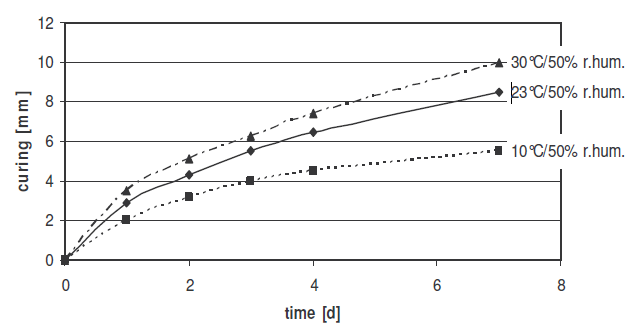
The thickness of the layer depends on the expected mechanical movement. Join the materials to be bonded within the skin formation time. We recommend mechanical fixing until a complete cure is obtained. The curing time depends on temperature, humidity and the dimensions of the joint. When necessary, the curing can be improved by water spraying. This may be required in winter.
Cleaning:
To remove uncured adhesive, use Körasolv PU. Cured adhesive can only be removed mechanically.
- Processing Information
-
Preparation
- For some substrates the use of mechanical pretreatment and/or cleaner or primer is necessary to achieve good adhesion. Refer to the product properties section of this data sheet for special surface requirements and suitable adhesion promoters.
Processing
- Refer to the technical data table regarding processing parameters. Low temperatures can cause a temporary increase in viscosity resulting in reduced extrusion and slower curing rates.
Cleaning
- Clean tools immediately after use. Once cured, the material can only be removed mechanically. Appropriate cleaners are listed in the product properties table. For further information please contact your local sales office.
Dimensioning
- The required thickness of the adhesive layer depends on the expected maximum strength and joint movement. We recommend a minimum layer thickness of 2 mm.
Features
- Ready-to-Use Product Features
Features & Benefits
- Product Benefits
-
- Bedding compound for teak decks
- Overpaintable after curing
- Good resistance to humidity and weathering
- Extensive bonding of teak decking
- Resistant to temperature from -40°C to +90°C (for short intervals up to +120°C)
- Meets the requirements of the International Maritime Organization
- Excellent moisture resistance
- Excellent weather resistance
- High cold resistance
- High heat resistance
- Product Features
-
- Excellent moisture resistance
- Excellent weather resistance
- High cold resistance
- High heat resistance
Packaging & Availability
- Packaging Type
- Regional Availability
- Packaging Information
-
- 600 ml sausage (carton a 12 pcs.)
- 12 kg tin
Properties
- Density:
-
1300 kg/m³
- Specific Gravity:
-
1.3
- Tensile Strength:
-
3 MPa
- Technical Data
-
Value Units Test Method / Conditions Density 1.3 g/cm³ - Hardness 45.0 Shore A DIN 53 505 Processing Temperature 5 - 35 °C - Skin Formation Time 75.0 min Kö-test method 100109 Tensile Strength 3.0 N/mm² DIN 53 504 - Processing Properties
-
Value Units Test Method / Conditions Curing to Depth (within first 24 h) 3 mm/day DIN 50014 Elongation at Break 800 % DIN EN ISO 527 Hardness (after 28 d, specimen thickness = 6 mm) 45 Shore A DIN ISO 7619-1 Minimum Layer Thickness 2 mm - Processing Temperature 15 - 35 °C - Service Temperature - 40 to 90 °C - Short Term Temperature Resistance (60 min) 120 °C - Skin Formation Time 75 min Kö-test method 100109 Squeezing Pressure 2 - 5 bar - Tensile Strength 3 mPa DIN EN ISO 527 - Cured Properties
-
Value Units Test Method / Conditions Change in Volume - 5.5 % DIN EN ISO 10563 Elongation at Break 800 % DIN EN ISO 527 Hardness (after 28 d, specimen thickness = 6 mm) 45 Shore A DIN ISO 7619-1 Tear Strength 8 N/mm DIN ISO 34-1 Type B Tensile Strength 3 mPa DIN EN ISO 527 - Typical Properties
-
Value Units Test Method / Conditions Density 1.3 g/cm³ - Storage Temperature 5 - 25 °C -
Regulatory & Compliance
- Certifications & Compliance
Safety & Health
- Precautions
-
- When using Körapur 928 Marine, avoid direct skin contact of the uncured material.
- Wear suitable personal protective equipment (chemical resistant gloves/clothing).
- Users should always refer to the Central Association of the Mutual Industrial Accident Insurance Funds, Central Office for Accident Prevention, when processing PUR-coating materials.
Storage & Handling
- Storage Condition
-
Do not store at temperatures above 25°C.
- Storage Information
-
Körapur® 928 Marine should be used within the shelf life specified on the packaging. The storage stability applies to material stored under appropriate conditions only (original unopened containers, recommended storage temperature).
- Shelf Life
-
12 months (sausages), 9 months (tins)
Technical Details & Test Data
- Processing Information
-
Suitable Substrates Various galvanized steels
Various aluminium alloys
Various steel alloys
Duroplastics
Wood
Coated surfacesConsistency Pasty
Non-saggingSurface Requirements Dry
Clean
Free of greaseSurface Cleaning Körasolv® PU
Körasolv® WLAdhesion Promoter (absorbing surface) Korabond" HG 92
Adhesion Promoter (non absorbing surface) Korabond HG 81
Application Method With spatula Application Equipment Cartridge dispenser
Sachet dispenser
Dispensing systemProduct Overpaintability After skin formation (depending on paint)
- Cleaner for Tools Körasolv® PU
- Resistance against UV Radiation - Not suitable for glass bonding with permanent UV radiation to the bonding area. Please ask your local sales office for products suitable for such applications.\
- Stress Cracking - Preliminary tests must be carried out on plastics with a tendency to stress cracking. (PMMA, ABS, PC or PS)
- Compatibility with Polystyrene Foams - Not suitable for bonding polystyrene foams. Please ask your local sales office for products suitable for such applications.
- Avoid Contact with Isocyanate Reactive Substances - Avoid direct contact with isocyanate reactive substances, especially alcohol such as spirit, dilutions, cleaning compounds and reaction or curing products of silane-modified polymers or silicones until the adhesive has attained full cure. This will prevent the adhesive from curing properly
- Processing Information
-
Suitable Substrates Various galvanized steels Various aluminium alloys Various steel alloys Duroplastics Wood Coated surfaces Consistency Pasty Non-sagging Surface Requirements Dry Clean Free of grease Surface Cleaning Körasolv® PU Körasolv® WL Adhesion Promoter (absorbing surface) Körabond HG 92 Adhesion Promoter (non absorbing surface) Körabond® HG 81 Application Method With spatula Application Equipment Cartridge dispenser Sachet dispenser Dispensing system Product Overpaintability After skin formation (depending on paint)
- Cleaner for Tools Körasolv® PU
- Resistance against UV Radiation Not suitable for glass bonding with permanent UV radiation to the bonding area. Please ask your local sales office for products suitable for such applications.
- Stress Cracking Preliminary tests must be carried out on plastics with a tendency to stress cracking. (PMMA, ABS, PC or PS)
- Compatibility with Polystyrene Foams Not suitable for bonding polystyrene foams. Please ask your local sales office for products suitable for such applications.
- Avoid Contact with Isocyanate Reactive Substances Avoid direct contact with isocyanate reactive substances, especially alcohol such as spirit, dilutions, cleaning compounds and reaction or curing products of silane-modified polymers or silicones until the adhesive has attained full cure. This will prevent the adhesive from curing properly.